How Scrum kept a remote, cross-discipline indie team aligned - and got Mythic Merchants across the finish line on time.
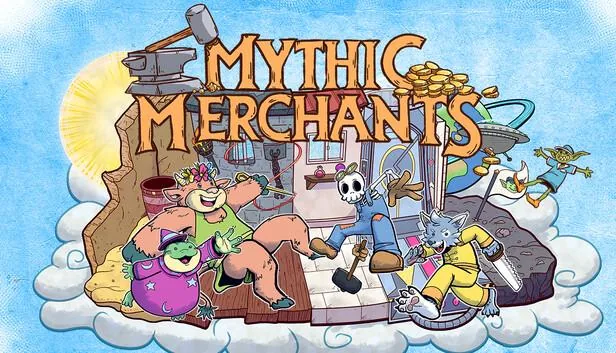
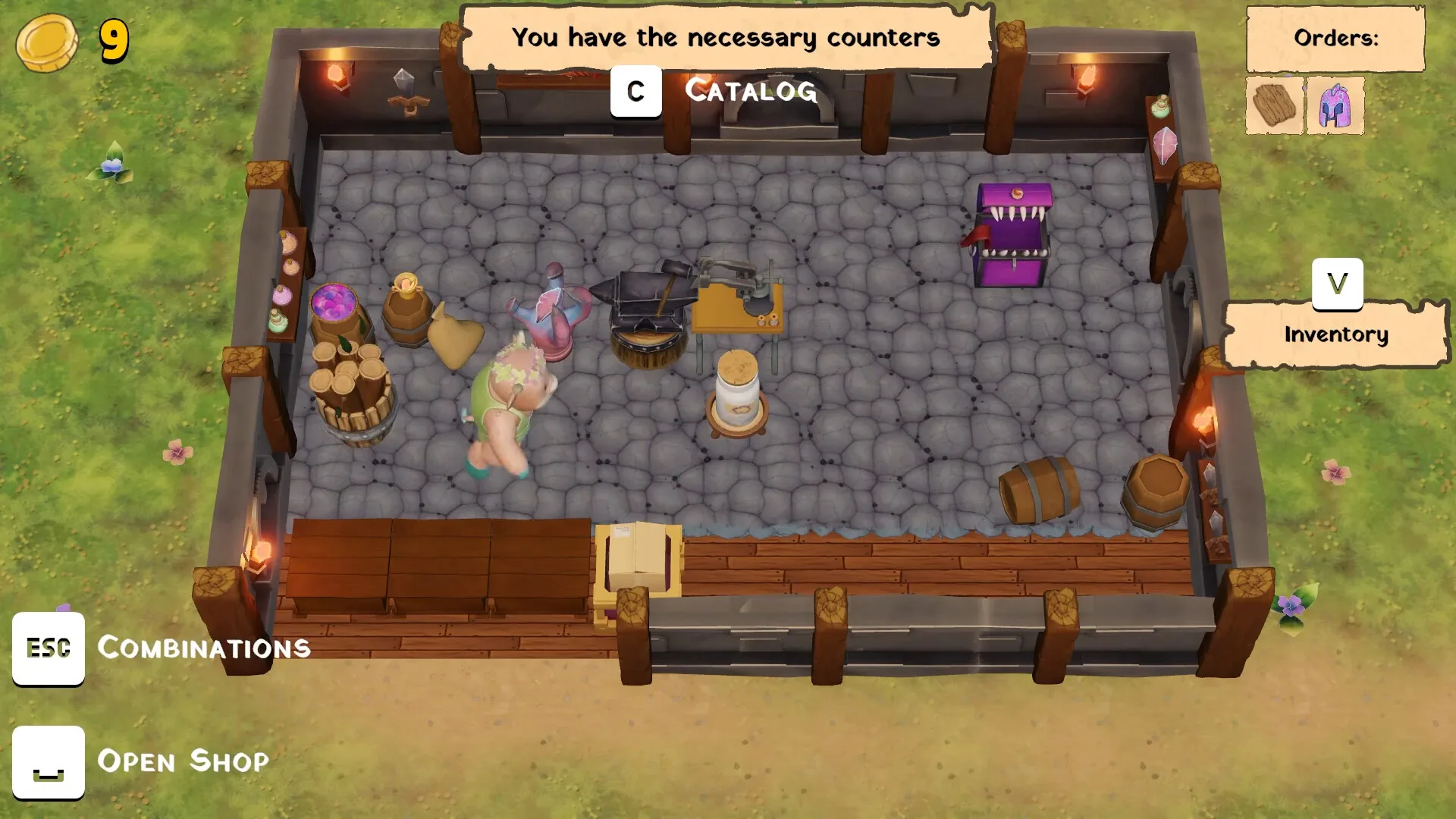
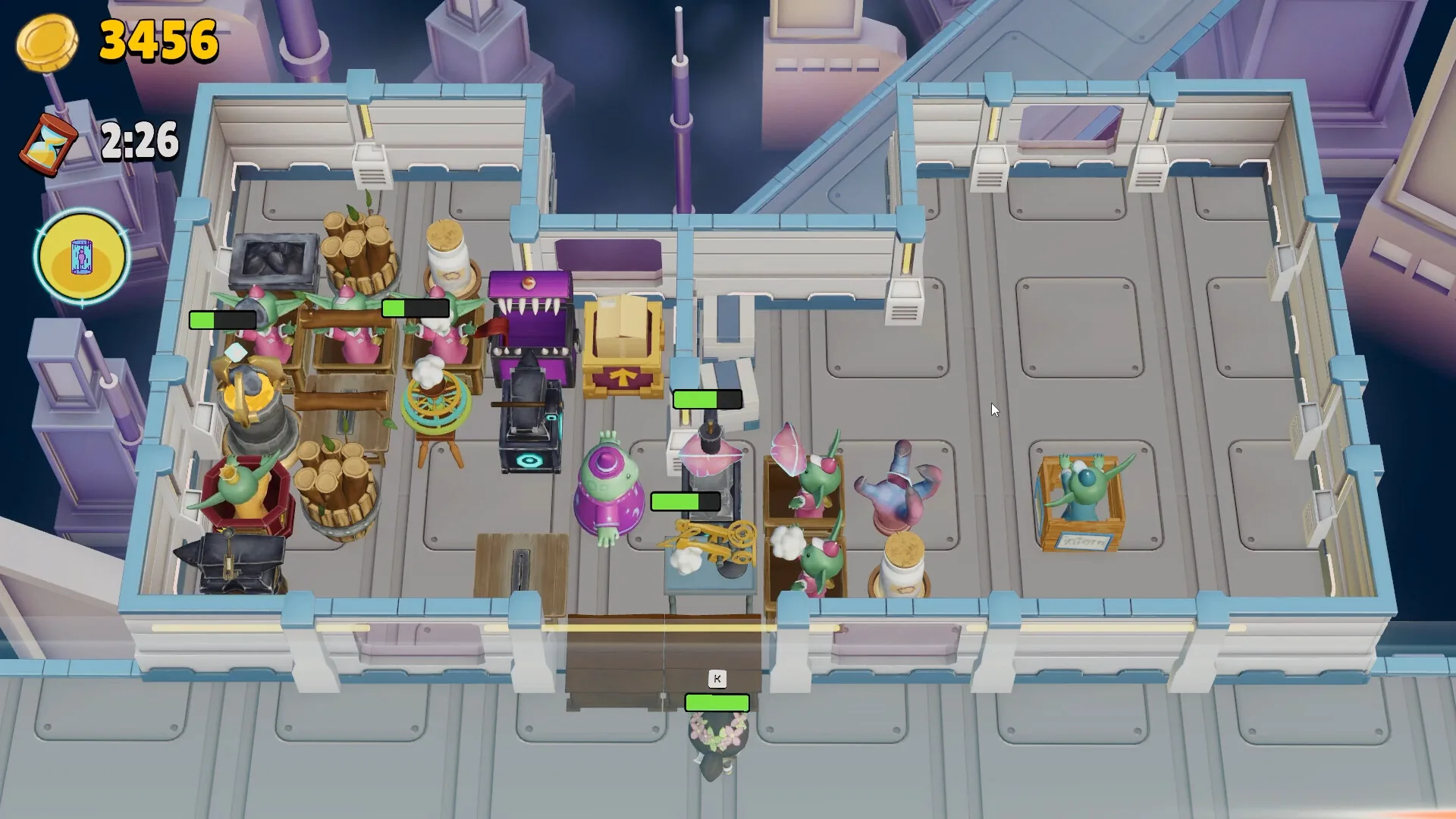
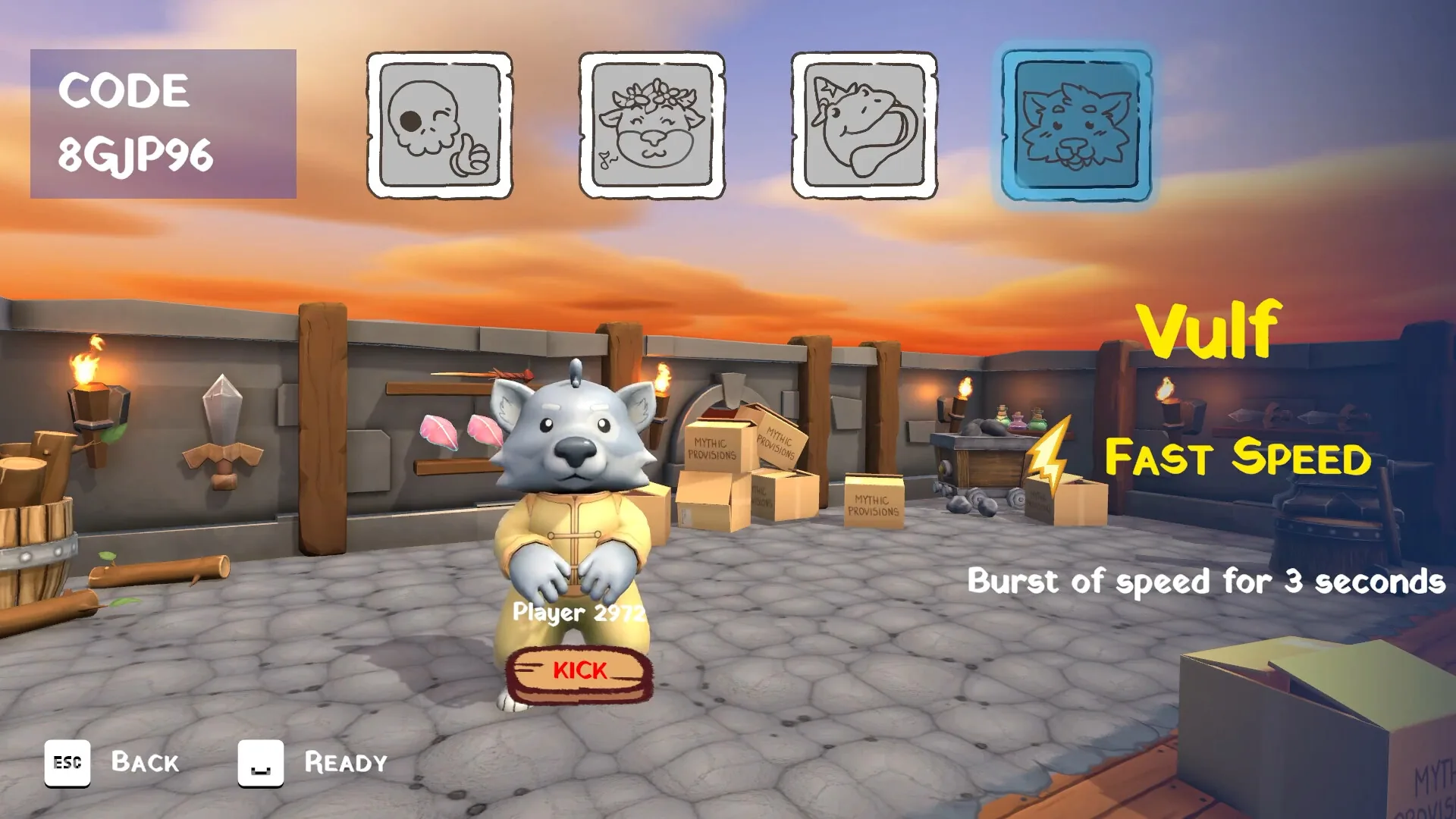
Click any screenshot to expand · Official screenshots from Mythic Merchants · © Lazy Lion Games
Lazy Lion Games was a first-time studio with six disciplines and a date to hit. I ran the process that got them there. The thing worth being honest about is that none of those people reported to me, which changed how every decision had to be made.
The delivery process end to end: sprint cadence, ceremonies, the Jira board, release planning against a fixed launch date, and the framework used to decide whether a new idea entered a sprint or waited.
What actually got built, by controlling which ideas reached a sprint and in what order. Cross-discipline priorities, and how the team's progress was reported to the studio's founder.
The creative direction. Game design, art and narrative belonged to the people doing them, and I had no authority to overrule any of it. I could not tell a developer what to build or an artist what to draw.
Every call below was carried by persuasion and by making the trade-off visible, not by instruction. Shipping a debut title on time without line authority is the actual achievement here.
New features and ideas kept surfacing mid-sprint. Without a clear framework to evaluate them, every good idea was a potential derailment.
The team was fully remote across multiple time zones. Async communication made it easy for work to drift without daily visibility into blockers.
Developers, artists, writers, sound designers, and QA all had different workflows and priorities. Keeping them in sync required deliberate structure.
Lazy Lion Games was launching its debut title. There was no playbook to fall back on - processes had to be built and iterated in real time.
Core game systems, Unity builds, bug fixes, and feature implementation across the full stack.
Characters, environments, UI art, and the bright cartoon visual identity that defines the game.
Character backstories, dialogue, and the worldbuilding that makes Tony, Mino, Rana, and Vulf feel alive.
Original audio, ambient sound, and sound effects tuned to the fast-paced workshop atmosphere.
Systematic playthroughs, bug documentation, and regression testing across all game builds.
Product vision, final decisions, and stakeholder alignment - the ultimate voice on scope and priority.
I established a full Scrum rhythm: daily standups, weekly sprint planning, sprint reviews, and retrospectives. Jira became the single source of truth for every task. The ceremonies gave the team a shared cadence - no one had to wonder what was happening next or who was blocked.
Scope creep was the biggest threat to our timeline. I worked with the studio founder to triage new requests against the existing backlog - parking valuable ideas in a "future" column rather than letting them interrupt active sprints. This kept the team focused without losing good ideas entirely.
Regular sprint reviews meant the studio founder could see progress, give feedback, and course-correct early - without disrupting the team mid-sprint. Decisions got made faster because context was never lost between conversations.
By maintaining sprint discipline over five months, we hit our original Steam launch date. Post-launch patches were identified and prioritized in pre-launch retros, so the team knew exactly what came next the moment the game went live.
"Running Scrum on an indie game taught me that process isn't bureaucracy - it's the thing that keeps creative people free to actually create."
- Angela Clemons, Scrum Master
None of these were mine to impose. Each one had to be argued, and each one gave something up.
Options Evaluate new ideas as they arrive, which keeps momentum, or hold everything in a backlog and decide at sprint boundaries.
Chose The parking lot, with ideas reviewed only between sprints.
Evidence Features kept surfacing mid-sprint, and without a framework every good idea was a live derailment risk on a five-month schedule.
Trade-off Good ideas waited, some never got built, and a process whose main output is "not yet" costs you goodwill with the people whose ideas they were.
Options Stay async, which respects timezones and maker focus, or add a daily synchronous check-in.
Chose Daily standups, backed by a shared Jira board so status was visible without asking.
Evidence Alignment eroded fast without intentional check-ins. Catching a blocker in a standup is cheaper than catching it in a retro.
Trade-off A daily meeting is a standing tax on exactly the people whose uninterrupted time produces the game.
Options Slip the launch to land more of the backlog, or fix the date and cut scope to meet it.
Chose Fixed date. Mythic Merchants shipped on 14 March 2025.
Evidence A debut studio needs a launch more than it needs a bigger launch, and post-launch support was scoped before release so cuts were deferrals rather than losses.
Trade-off Features the team cared about went out after launch instead of in it, and that is a hard conversation to have with the people who built them.
Mythic Merchants launched on Steam on schedule - a first-time studio's debut title shipped on time, with post-launch support already scoped and ready. The Scrum framework gave the team confidence at every stage, and positive early reviews confirmed the game was in good shape. It shipped as a paid title at $9.99, localised into five languages at launch, playable solo or in online co-op, and it picked up a Best in Play honourable mention at GDC 2025. For a studio releasing its first game, landing the date and getting third-party recognition for it are the two outcomes that mattered.
As Scrum Master I had no formal authority over any discipline - I couldn't tell the developers what to build or the artists what to draw. My job was to create the conditions for good work: clear priorities, visible progress, and a culture where blockers got surfaced fast.
That constraint made me a better communicator and a more adaptable leader. I learned to read what each person needed from the process and meet them there.
Looking for a PM or Scrum Master who's shipped a game from concept to Steam? Let's talk.